
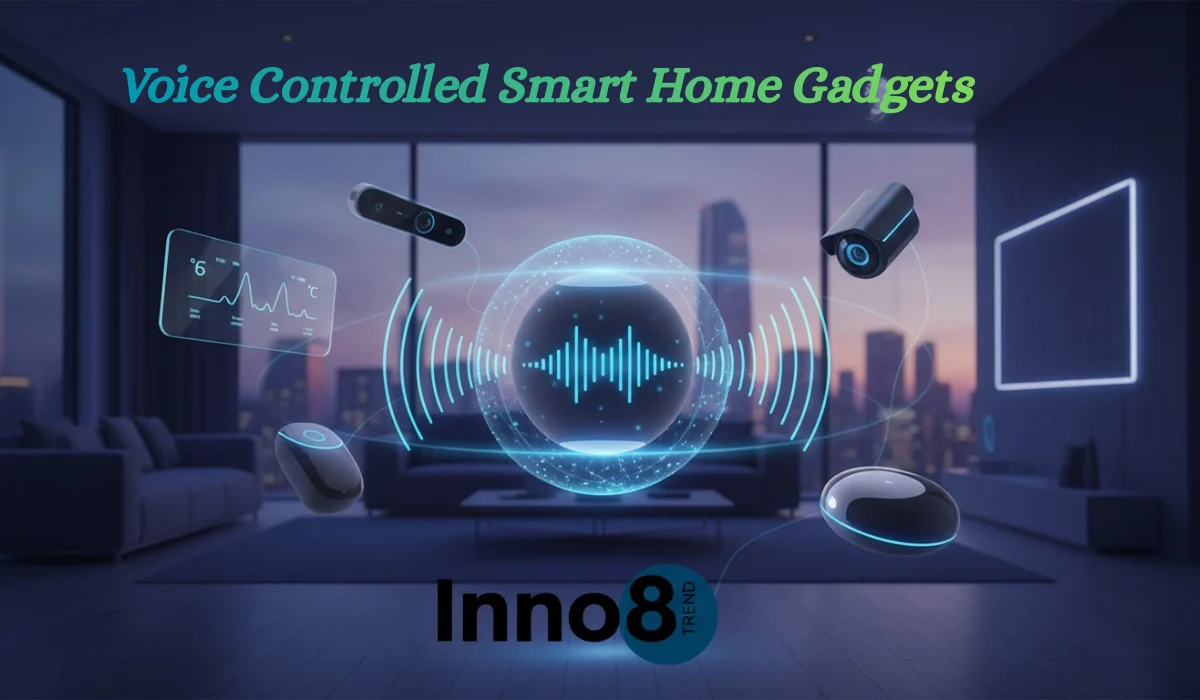
Voice controlled smart home gadgets are AI-powered devices that execute household tasks—such as adjusting climate, managing security, and controlling lighting—via natural language commands. By integrating with ecosystems like Alexa, Google Home, and Apple HomeKit through the Matter 1.5 protocol, these hands-free devices enhance accessibility, reduce energy consumption, and streamline daily routines for modern homeowners.
Walking into a home that "listens" is the new standard for comfort in 2026. No more fumbling for switches or navigating complex apps; your voice is the only remote you need. It turns a static living space into a responsive, intelligent environment that adapts to your needs in real-time.
For many, this technology provides an emotional safety net. Knowing you can lock every door or dim the nursery lights with a simple whisper brings a level of peace that traditional homes can’t match. It’s about making technology invisible and making life feel effortless.
What Are Voice Controlled Smart Home Gadgets?
Voice controlled smart home gadgets are IoT (Internet of Things) hardware devices equipped with microphones and AI processors designed to recognize and act upon spoken intent. In 2026, these devices utilize Local Voice Processing and Natural Language Understanding (NLU) to interpret conversational phrases rather than just rigid commands.
The category spans from foundational items like smart plugs and bulbs to advanced "ambient" systems like voice-activated faucets, smart electrical panels, and UWB-enabled door locks. Most operate as part of a unified mesh network, often using Thread for low-latency, battery-efficient communication.
Modern gadgets are no longer "silos." Thanks to universal standards, a voice command given to a Google Nest Hub can seamlessly control a backyard irrigation system or a smart oven from an entirely different brand, creating one cohesive "talking" ecosystem.
Why is Voice Automation Important in 2026?
The primary driver for voice automation today is active energy management. With 2026 utility rates rising, AI-powered gadgets use occupancy sensing and voice triggers to eliminate "phantom power" waste, potentially lowering monthly electricity bills by up to 15%.
Accessibility has also reached a tipping point. For the aging population and those with limited mobility, voice control is an essential tool for independence. Being able to "ask" the house to open blinds or call for emergency help provides dignity and safety that manual systems lack.
Finally, the shift toward Matter 1.5 has removed the "tech-frustration" barrier. Devices now offer plug-and-play interoperability, making smart homes accessible to everyone—from busy parents multitasking in the kitchen to professionals managing a home office via hands-free commands.
Read also: Latest Matter Enabled Smart Home Devices for Smarter
Key Benefits and AI-Powered Features
- Hands-Free Multitasking: Execute complex "scenes"—like "Start my workday"—to adjust lighting, start coffee, and set office temps simultaneously.
- Matter 1.5 Interoperability: Mix and match brands (Apple, Amazon, Google, Samsung) without worrying about compatibility or app-switching.
- Predictive Climate Control: Voice-activated thermostats learn your patterns to pre-heat or cool rooms based on your spoken schedule.
- Enhanced Home Security: Use voice to view Matter-certified camera streams on any smart display or lock doors using biometric-linked voice profiles.
- Zero-Touch Setup: Most 2026 gadgets feature "Headless Onboarding," where the device is discovered and configured via voice the moment it’s powered on.
How it Works: Local vs. Cloud Processing
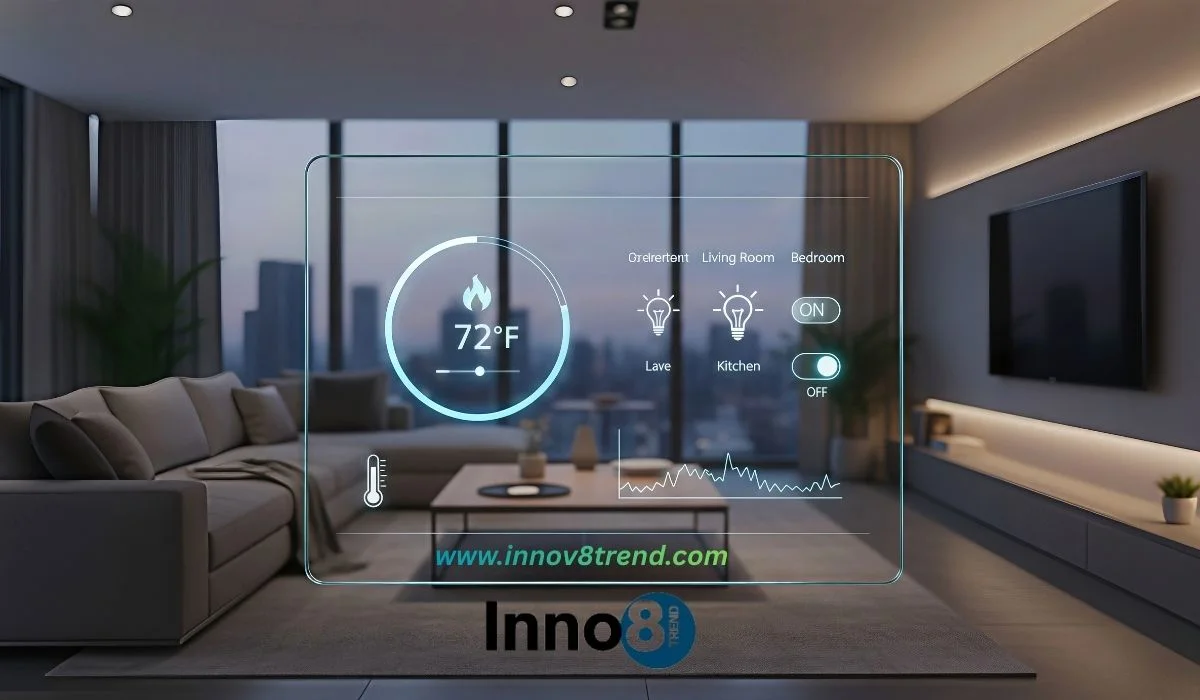
Voice control begins with a Thread Border Router or smart hub that "listens" for a wake word. In 2026, the biggest shift is Local Processing. Simple commands like "Turn on the kitchen light" are processed inside your home’s network, ensuring near-instant response times and 100% privacy.
For more complex requests—like "Find a recipe for dinner based on what's in my fridge"—the hub uses high-speed Wi-Fi to communicate with cloud-based Large Language Models (LLMs). This hybrid approach balances speed with the deep intelligence of modern AI.
This system helps by making technology "disappear." You no longer need to learn how a device works; the device learns how you talk. This "Ambient Computing" model ensures that your home is always ready to assist without requiring you to look at a screen.
Real-World Use Cases for 2026
Imagine you are deep in a gardening project. Your hands are covered in soil, and you realize the lawn needs a 10-minute soak. You simply say to your outdoor speaker, "Water the garden for ten minutes," and the Matter-certified irrigation system begins immediately.
Inside the home, parents use "Nursery Mode." If a baby is sleeping, you can whisper, "Activate low-light mode," and the room dims to 10% brightness without a loud "OK" confirmation from the speaker, thanks to 2026 "Whisper Mode" updates.
For home security, if you're in the basement and hear a knock, you can say, "Show me the front door" to any nearby smart screen. You get a live, high-def stream of the visitor instantly, allowing you to unlock the door or speak to them without stopping your task.
Common Myths and Security Truths
A major myth is that these devices are "spying" 24/7. In reality, modern hardware includes physical mute switches and LED indicators that show exactly when the microphone is active. Furthermore, most 2026 data stays on your local network.
Another mistake is thinking smart homes require a "master's degree in tech." With current AI assistants, you can set up entire automation routines just by talking. You can literally tell your hub, "Every morning at 7 AM, I want the blinds open and the news playing," and it’s done.
Lastly, people often fear that a Wi-Fi outage kills the smart home. Thanks to the Thread protocol, your battery-powered switches and voice remotes will still talk to your lights and locks even if your ISP goes down, ensuring your home remains functional.
Read also: Gaming Gadgets For Pro Players.
Expert Insights on 2026 Trends
Tech analysts highlight that "Conversational AI" is replacing fixed commands. You no longer have to say, "Turn thermostat to 72." Instead, you can say, "It feels a bit chilly in here," and the AI understands the context and adjusts the heat appropriately.
Security experts now recommend the "Secure by Design" certification found in Matter 1.4 and 1.5 devices. These protocols use blockchain-based device attestation to ensure that no "fake" or hacked devices can join your home network.
Environmental specialists point to the rise of the Smart Electrical Panel. When controlled by voice, these panels allow you to shed non-essential loads (like a dishwasher or dryer) during peak-pricing hours, saving hundreds of dollars annually on energy bills.
Who Should Buy Voice-Controlled Gadgets?
Eco-Conscious Homeowners: If your goal is a "Net Zero" home, voice-activated energy monitors and solar-integrated batteries are essential tools for tracking and reducing daily carbon output.
Caregivers and Seniors: This technology is a vital "digital companion." From medication reminders to fall detection alerts that can be dismissed or confirmed via voice, it adds a layer of safety that saves lives.
Modern Professionals: If you work from home, voice-activated "Deep Work" scenes can silence notifications, adjust smart glass for privacy, and maintain perfect air quality—all without you touching a single button.
Pros and Cons of Voice Automation
Pros:
- Accessibility: Unmatched support for those with physical or visual impairments.
- Efficiency: Instant energy savings through precise, spoken control.
- Safety: Hands-free security management and emergency alerts.
- Value: Modernizing with Matter-standard tech increases home resale price.
Cons:
- Learning Curve: Setting up advanced cross-brand routines can take time.
- Infrastructure: Requires a mesh Wi-Fi or Thread network for full coverage.
- Privacy Management: Users must be proactive in managing their voice history settings.
- Initial Cost: Premium AI-integrated appliances have a higher upfront price point.
FAQs
Can I control different brands with one voice assistant?
Yes. In 2026, as long as your devices are Matter-certified, you can control a Samsung fridge, a Philips light, and a Nest thermostat using a single voice assistant like Alexa or Siri.
What is the best voice assistant for privacy?
Apple’s Siri and the latest "Local-First" Google Home hubs are currently the leaders in privacy, as they process the majority of your voice commands locally on the device rather than in the cloud.
Do smart gadgets work with old wiring?
Many smart switches and plugs are designed to work with older American homes. However, for full voice control of ceiling fans or built-in lighting, you may need "no-neutral" smart switches specifically designed for older electrical systems.
Can kids use voice-controlled smart homes?
Yes. Modern AI assistants feature Kid Profiles that restrict certain commands (like unlocking doors or making purchases) while still allowing them to play music, set homework timers, or control their room lights.
Final Verdict
Voice controlled smart home gadgets have transitioned from "cool toys" to "functional necessities" in 2026. They are the primary interface for the modern home, offering a level of control that makes living safer, cheaper, and far more enjoyable.
The investment is no longer just about the gadget; it’s about the ecosystem. By choosing Matter-compatible devices today, you are building a future-proof home that will grow and learn alongside you. The age of the "talking home" is here—and it’s more helpful than we ever imagined.