
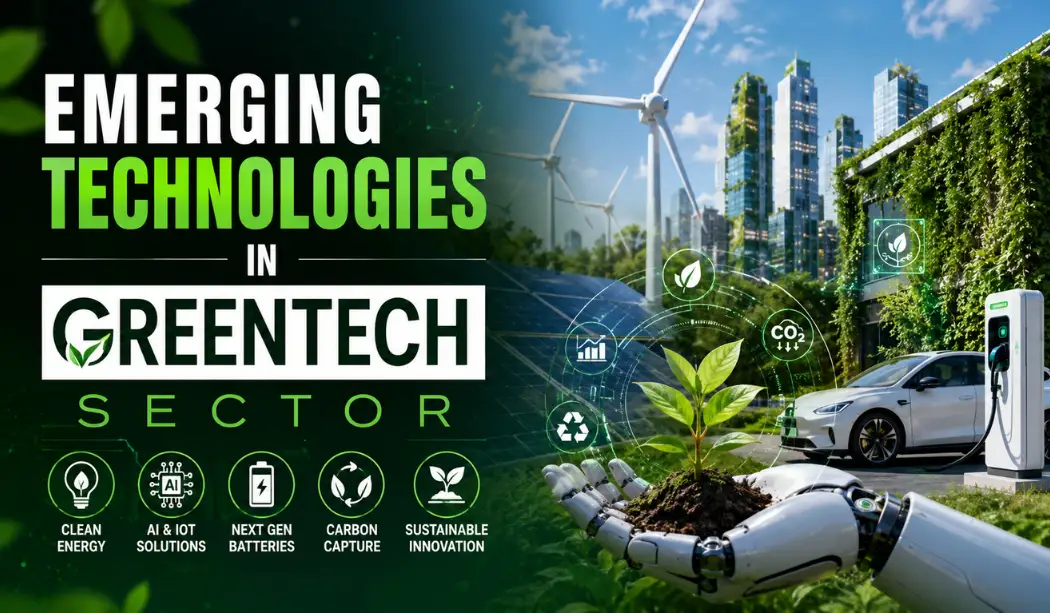
The worldwide push towards sustainability is triggering a huge wave of change across the globe. Presently, Emerging Technologies In Greentech Sector are fundamentally altering the way we generate electricity, cleanse our air and safeguard our natural resources. From smart grids, intelligent artificial intelligence that is eco-friendly to next-generation storage for energy, these modern technologies offer effective, sustainable solutions for combating the effects of climate changes. Through the integration of high-tech engineering with the latest environmental sciences, these new developments are creating a quicker clean, more sustainable, and eco-friendly path to our common future.
What Are Emerging Technologies in Greentech?
If we are asking, "What are emerging technologies that are emerging in Greentech? " We are looking at the most advanced tools created to address environmental issues. These are not ordinary solar panels or recycling bins. They are advanced technology including smart grids and carbon catchers and artificial intelligence designed for energy conservation.
They work in tandem to decrease pollution and stop the global warming process. They help us not deplete precious resources such as oil or water. Through these innovative concepts, we can create more sustainable, healthier and safer world to all.
Read also: Top 10 Green Hydrogen Energy Solutions for a Clean Future in
Top 10 Emerging Technologies In Greentech Sector
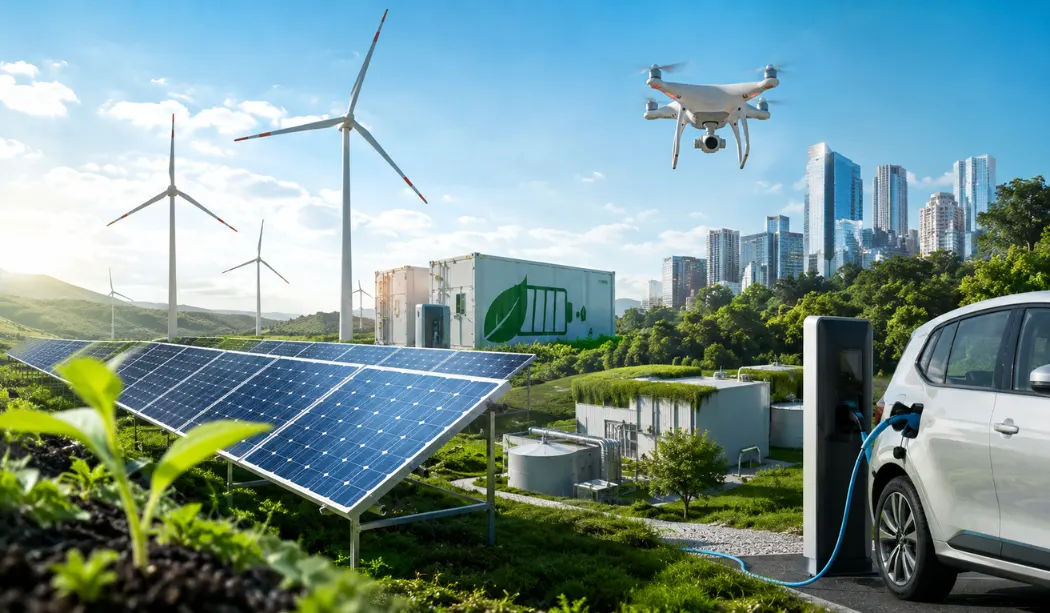
The green technology sector is growing more rapidly than it has ever. We will look at the top 10 most innovative Technologies Within the Greentech Sector that are revolutionizing our lives today.
1. Everything-to-Grid (E2G) Energy Systems
Traditional power grids send energy in one direction: from the power plant and then to your house. The latest E2G technologies turn each electric vehicle, battery in your home, as well as office buildings into a mini-power station. When grids require additional support, it will draw the stored energy from empty batteries. The lights stay on but does not activate polluted coal power plants.
2. Direct Lithium Extraction (DLE)
Electric cars require lithium batteries to operate. Unfortunately, traditional methods for mining lithium require years and waste billions of gallons. Innovative green technologies such as DLE utilize sophisticated filters that extract lithium from underground waters in just a couple of hours. The remaining water is then safely back to the earth, helping to protect the surroundings.
3. Passive Radiative Cooling Materials
Imagine a paint that works as an air conditioner and does not require electric power! These coats reflect 95 percent of light and reflect it back to space. If they are applied to roofs these coatings keep buildings cool by themselves. This amazing invention can cut down the power required by cooling systems and fans by as much as 20%..
4. Advanced Carbon Capture and Storage (CCS)
It is imperative to clean our air. In the the future for carbon storage and capture appears to be incredibly promising. The massive machines behave as mechanical trees taking carbon dioxide right into the atmosphere. Businesses then freeze this carbon dioxide and bury it in solid rock for the rest of time.
5. Green Hydrogen Fuel
Producing hydrogen fuel generally causes polluting. But, the latest renewable hydrogen sources use renewable solar power to separate water molecules. The sole byproduct that remains is pure, clear water and vapor! It's a game changer for massive trucks, huge cargo vessels, as well as steel manufacturing.
6. Sustainable AI Workloads
Computers use huge quantities of energy. Happily, sustainable AI technologies can help fix this. Innovative, green algorithms improve the data centers, allowing them to consume much less energy. The smart AI devices also aid factories in tracking their carbon footprints and in real-time to reduce pollution.
7. Next-Generation Modular Geothermal
Geothermal energy harnesses the heat that naturally emanates from deep in the earth. Modern "closed-loop" systems pump water down into hot rocks, and bring it back to form fresh steam. It provides continuous, stable energy throughout the day and night no matter what the weather conditions.
8. Living Wastewater Treatment Systems
Water treatment facilities that are older use toxic chemicals as well as large quantities of energy. The new eco-friendly plant uses organic root systems as well as friendly bacteria within constructed tanks. The living systems purify well and use 60% less land, and 30% less energy.
9. Transparent Perovskite Solar Cells
Imagine if each window in an office building could produce electric power! Scientists have designed semi-transparent solar panels that can be placed perfectly over windows made of glass. They allow natural light to move through with ease while absorption of sunlight that powers the whole building.
10. Plastic-Eating Bio-Engineered Enzymes
The waste of plastic is a huge issue for the oceans. Scientists have developed special non-toxic bacteria to eat plastic bottles. The tiny enzymes can reduce tough plastic to the basic components in only several days, which allows us to reuse materials in a perfect way.
Deep Dive: How Battery Technology Transform Energy Storage
For a better understanding of these developments to understand these updates, it is important to ask "Why does energy storage matter? " It's simple. It is not the case that the wind always blow and the sun is not always shining at the night. There is a need to store that energy to use future use.
There are many people who ask "How could battery technology revolutionize the energy storage system? " The latest solid-state batteries can hold double the power of the older battery in phones and are charged within only a couple of minutes. They are not able to get caught in flames and will are able to last for years. These batteries allow cities to save excess afternoon sun and then use the energy to run homes in darkness in the evening.
Tech Showdown: Green Hydrogen vs Battery Storage
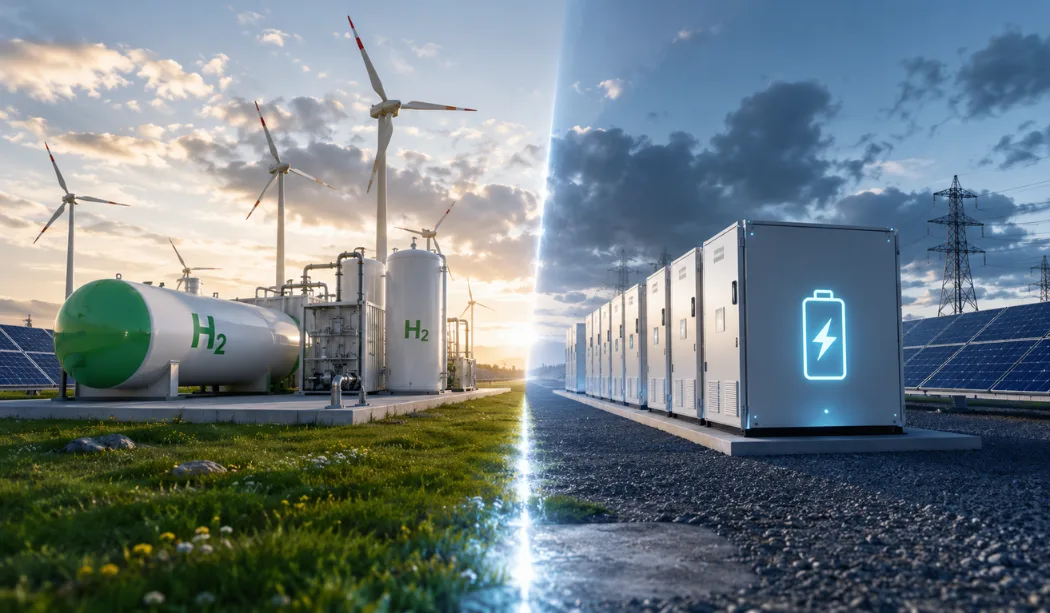
The best green energy option isn't easy. Let's compare two important eco-friendly technology innovations and see the way they compare.
| Feature | Green Hydrogen | Battery Storage |
|---|---|---|
| Best Used For | Ships, heavy trucks factories | Electric vehicles, homes and city grids |
| Energy Source | Clean water is split using solar energy | Chemical cells storing electricity |
| Main Benefit | Light, fuels quick | Instant, highly efficient power |
| Biggest Hurdle | It is expensive to construct in the moment | Requires mining rare minerals |
If we examine green hydrogen vs. battery storage and storage, we can see that both are needed. Battery storage is ideal for smaller automobiles and even homes. Green hydrogen is excellent for huge ships as well as heavy machines that need continuous energy.
Smart Grids vs Traditional Power Grids
The method we use to share electricity is rapidly changing. This is how the latest internet-based electricity networks beat out the traditional methods.
- Traditional power Grids: They send electricity in a single direction, and are prone to failure during storms. They are heavily dependent on fossil fuels in order to manage rapid spikes in electricity usage.
- Smart Grids in contrast to traditional power Grids: Smart grids utilize digital sensors to regulate energy instantly. They can automatically add solar and wind power where they are most needed and prevent blackouts with ease.
Tech Showdown: Blockchain vs AI for Sustainability
Digital technology can help save the earth? We will examine how these two major software companies differ. If we compare the blockchain and AI in terms of sustainable development Both tools have completely different tasks. AI functions as a super-smart brain, which assists factories in cutting off energy use. However, blockchain functions as a permanent digital ledger. It keeps track of carbon credits in a precise manner and therefore, companies are not able to make up stories about pollution levels.
Read also: Green Technology in the Construction Industry: Key
Challenges of Green Technology
The most impressive instances of greentech innovation are not without obstacles. Recognizing the issues that green technology faces aids us in resolving the issues more quickly.
- Very high Initial Costs Construction of solar and wind farms takes a large amount of capital in the beginning.
- Material shortages: Finding sufficient lithium copper, cobalt, and lithium to make batteries could cause delay.
- Skills Gaps We need better-trained engineers that know how to manage these intricate technology.
The Inspiring Future of Green Technology
The future of green technology is extremely optimistic and overflowing with optimism. As technology advances, clean energy is expected to be much less expensive than fossil fuels like gas and coal. Our goal is to live in the future of blue skies, clear oceans as well as healthy forests. When we take a stand for these eco-friendly tools in the present, we will create a stunning world for the generations to come.
"True green innovation is not about adding extra patches to a broken system. It is about redesigning our world so that clean power and sustainability are built right into the surfaces and tools we use every single day." -- Climate Technology Industry Insights, 2026
Frequently Asked Questions
What are some simple green technology innovations?
Simple eco-friendly inventions are smart thermostats for homes that conserve electricity, common LED bulbs, as well as solar-powered lights for the garden.
Why are sustainable AI technologies important?
They make sure that huge computer networks don't harm the environment. They improve server performance, ensuring that they run data centers with little energy.
What is the current green technology market size?
The market will be worth around $31 billion by 2026. The market is expanding rapidly, because countries across the globe strive to achieve net zero carbon emissions.